Mobile App Transformation
When we set out to redesign the Realtor.com mobile apps, it wasn’t just about giving the interface a facelift. The existing app had served millions of users for years, but it no longer reflected who we were as a brand or the level of experience we wanted to deliver.
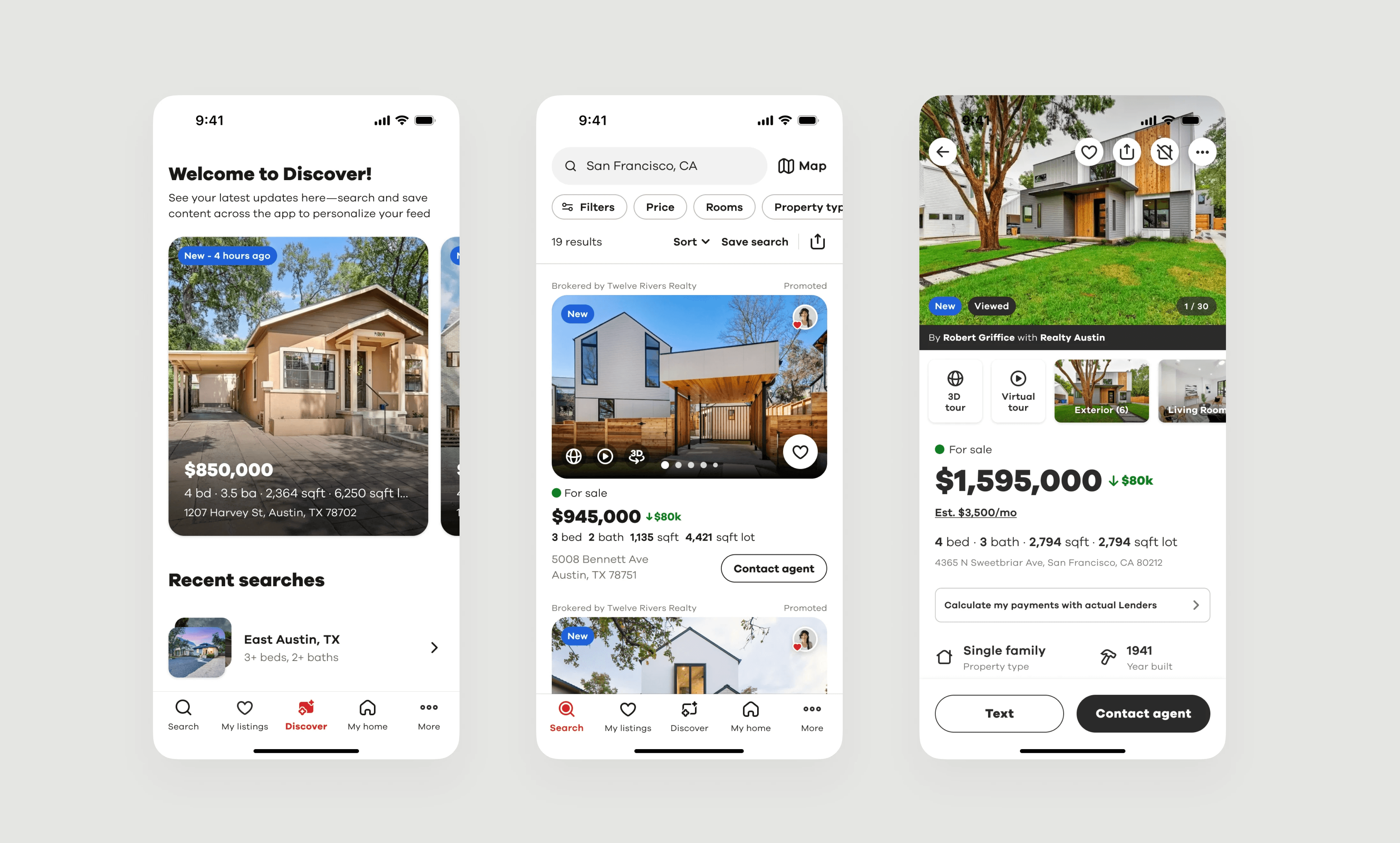
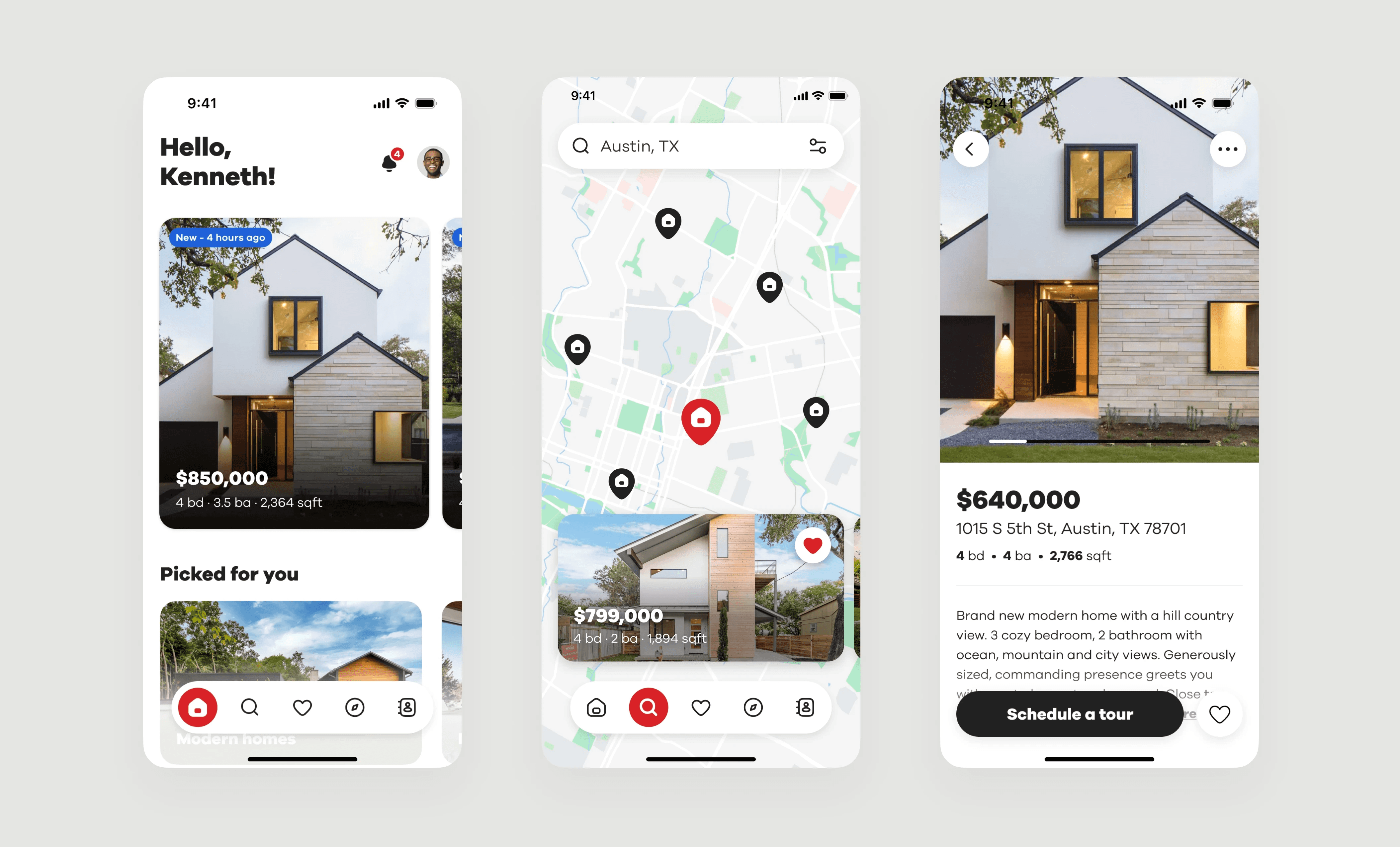
So over the course of about six months, I led the strategic direction and design execution for the first truly end-to-end rebuild of the iOS and Android apps in nearly a decade. That meant rethinking more than 50 screens, building a new cross-platform design system, aligning multiple teams around a shared vision, and ultimately reshaping how millions of people find a home.
For me, this project was about creating a product that felt modern, warm, and distinctly Realtor.com—something that not only worked well, but made people feel confident and supported during a huge life moment.
The Problem
Before we began, the app was functional but forgettable. It did the job, but it didn’t stand out in a market where competitors were leaning into bold visuals, personalization, and deeper emotional storytelling.
A few themes stood out:
The experience felt dated and utilitarian—more like a set of tools than a cohesive product.
There was friction in the core flows, especially for serious buyers comparing multiple homes.
The visual language lacked identity; nothing about it felt uniquely “Realtor.com.”
And emotionally, it didn’t really connect with users—especially first-time buyers, who made up the majority of our audience and often felt overwhelmed.
In short, we had a product with solid functionality, but it didn’t inspire confidence. And in the home-search space, that emotional layer is everything.

What We Did
I started by bringing design, product, engineering, and brand leaders together to establish a shared north star. We weren’t polishing around the edges—we were redefining what home search should feel like for millions of people.
Understanding real user needs
We conducted deep research, analyzed user behavior, and created a set of buyer archetypes—each representing different emotional and decision-making styles. These became our compass. Instead of designing for an abstract “homebuyer,” we designed for real people: browsers, planners, data-driven evaluators, and anxious first-timers.
A new visual and emotional language
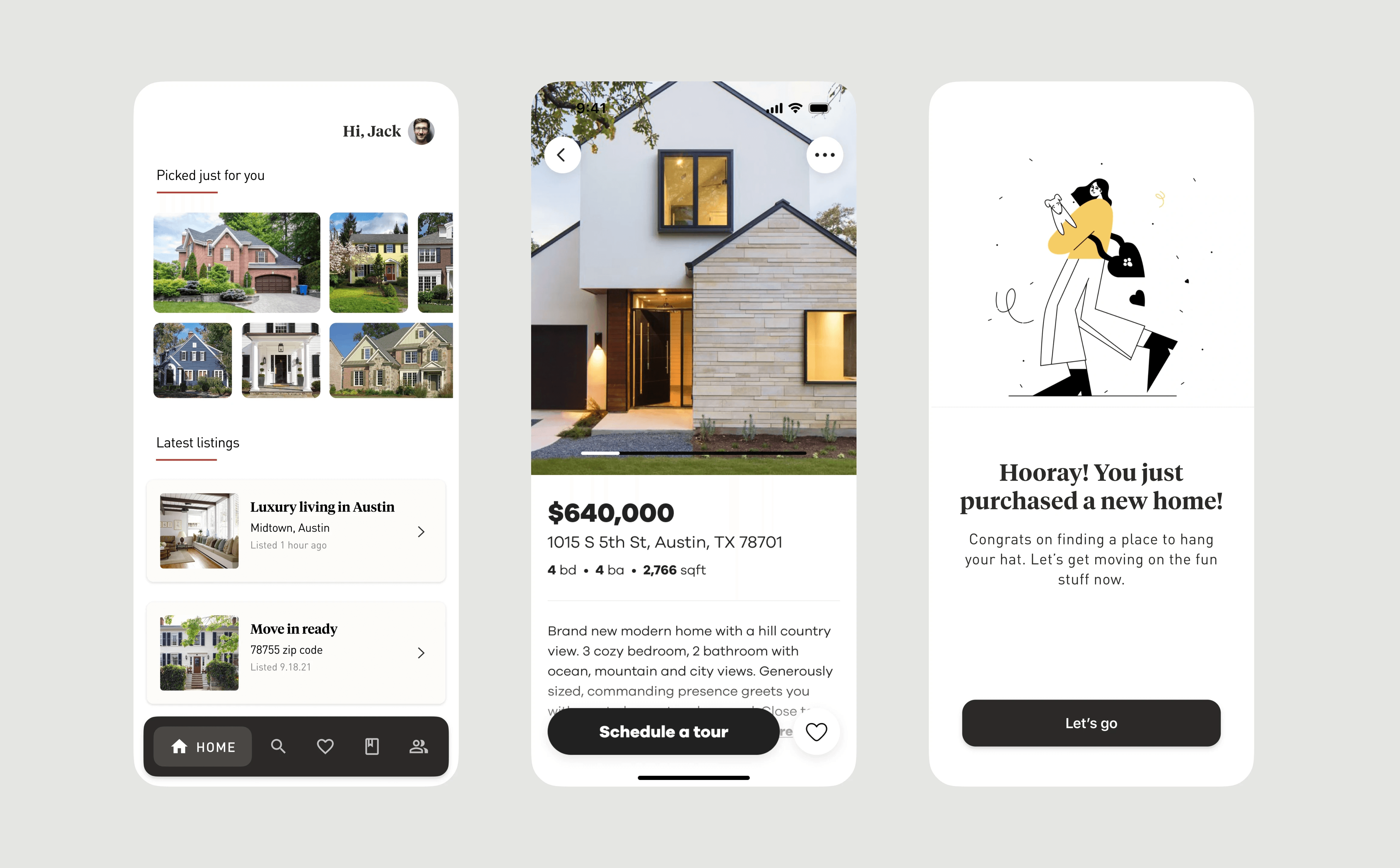
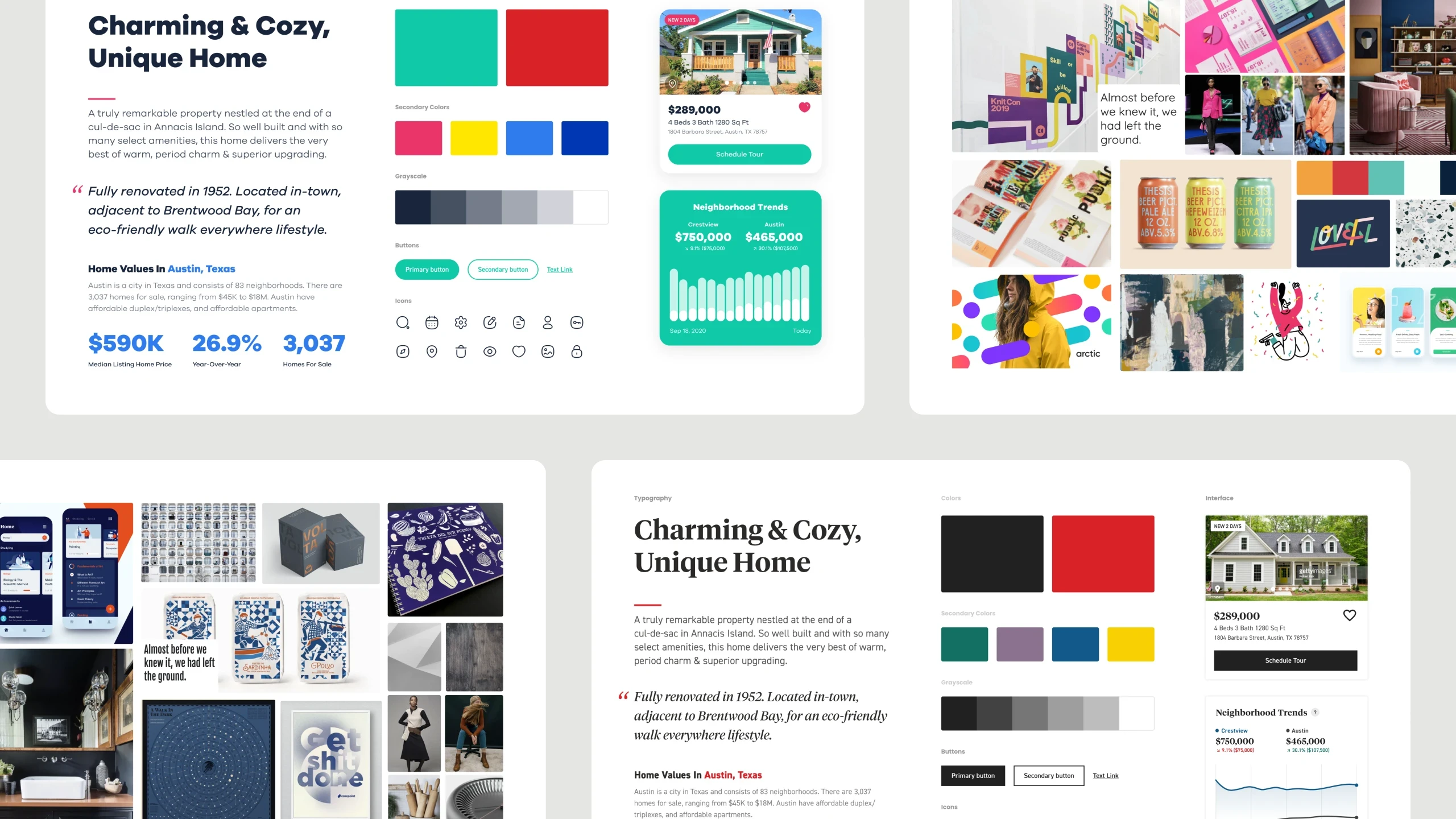
Through moodboards, narrative explorations, and iterative UI work, we developed a visual system that felt more confident, warm, and human. Photography, scale, and space played larger roles. The tone shifted from transactional to reassuring. The interface became clearer and more welcoming without sacrificing depth.
A brand-new mobile design system
We built a comprehensive design system for both platforms—typography, color tokens, icons, spacing rules, layouts, and interaction patterns. This became the backbone of the new app and dramatically accelerated cross-team delivery.
Reimagining the core journeys
We rebuilt the primary flows from the ground up:
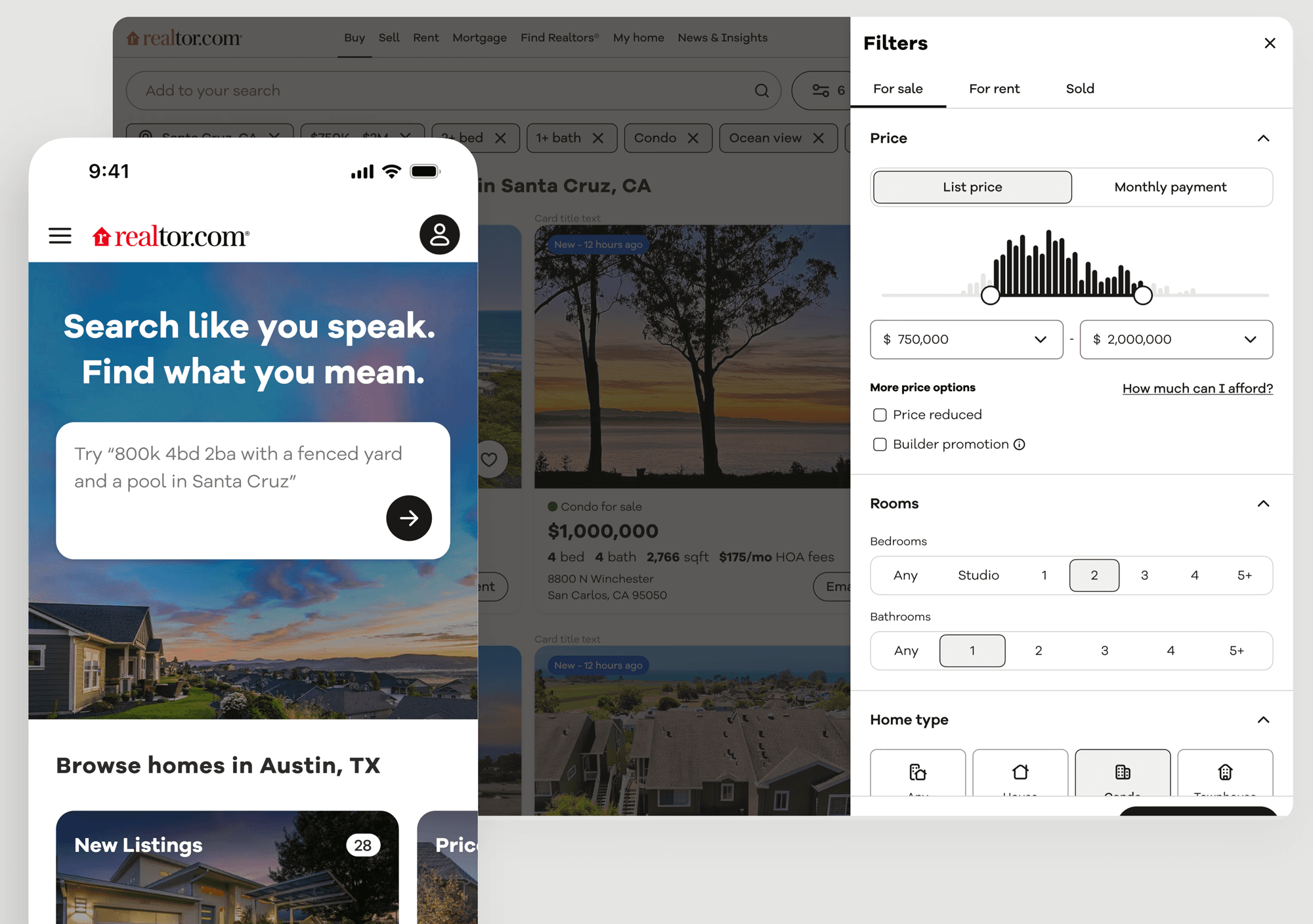
Search and filters
Listing exploration
Saving and comparing homes
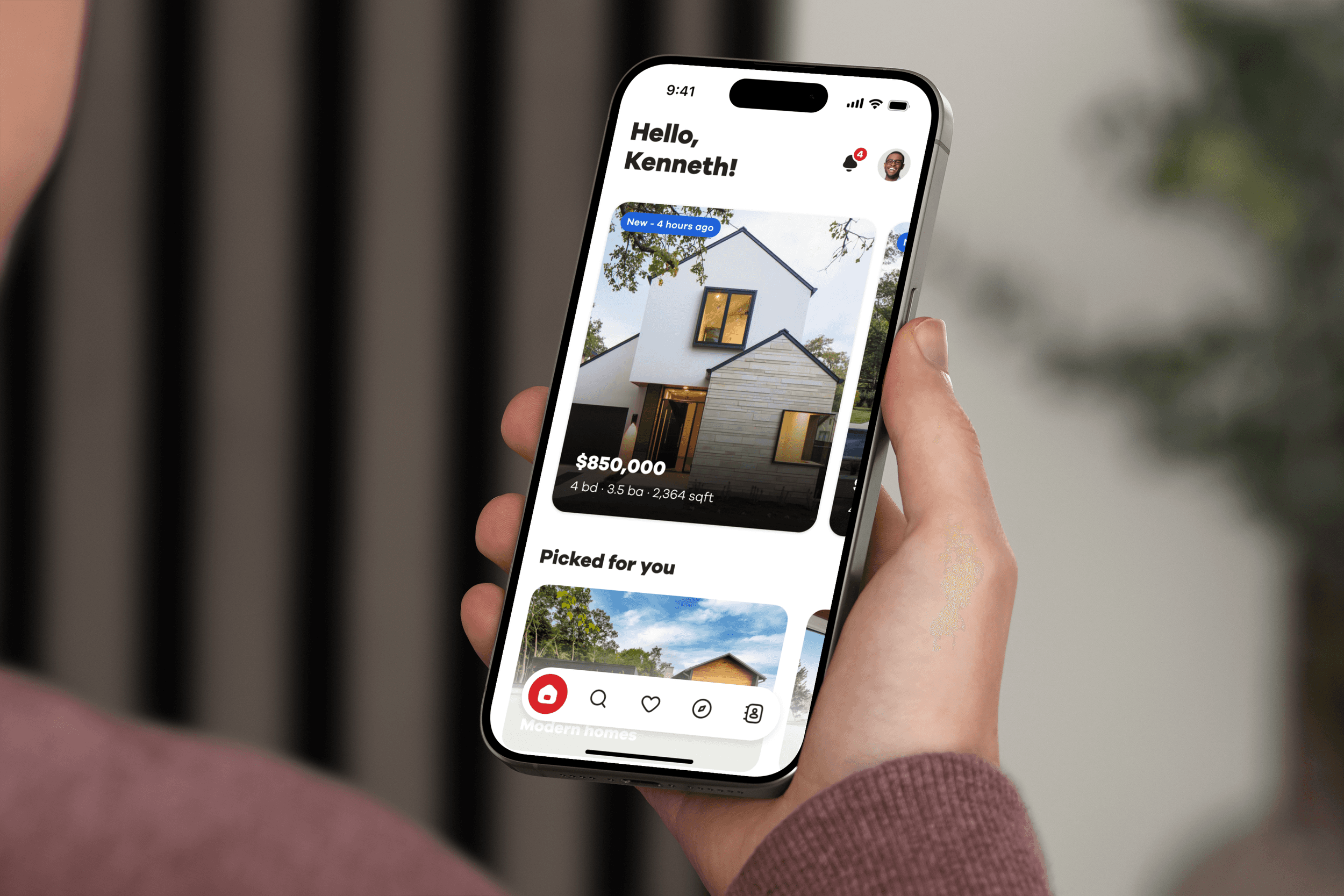
Personalized recommendations
Collaborative decision-making
Every piece was simplified, clarified, and infused with personality and purpose.
Collaborative development & rollout
We worked in tight partnership with engineering, prototyped continuously, tested with users, and rolled out the redesign in measured phases to validate performance and stability before full release.
Outcomes
Within 90 days of launch, the impact was undeniable.
User growth increased. Revenue lifted. Abandonment fell sharply. But even more importantly, the app finally felt like an experience people could trust—one that combined clarity, efficiency, emotional intelligence, and brand expression in a way that hadn’t existed before.
Teams across the company embraced the new system, enabling faster iteration, better decision-making, and a more unified product identity across mobile and web.
+16% increase in active users
+4.4% revenue lift
23% reduction in bounce rate
Unified experience + accelerated development velocity
Foundation for future AI personalization and cross-platform alignment